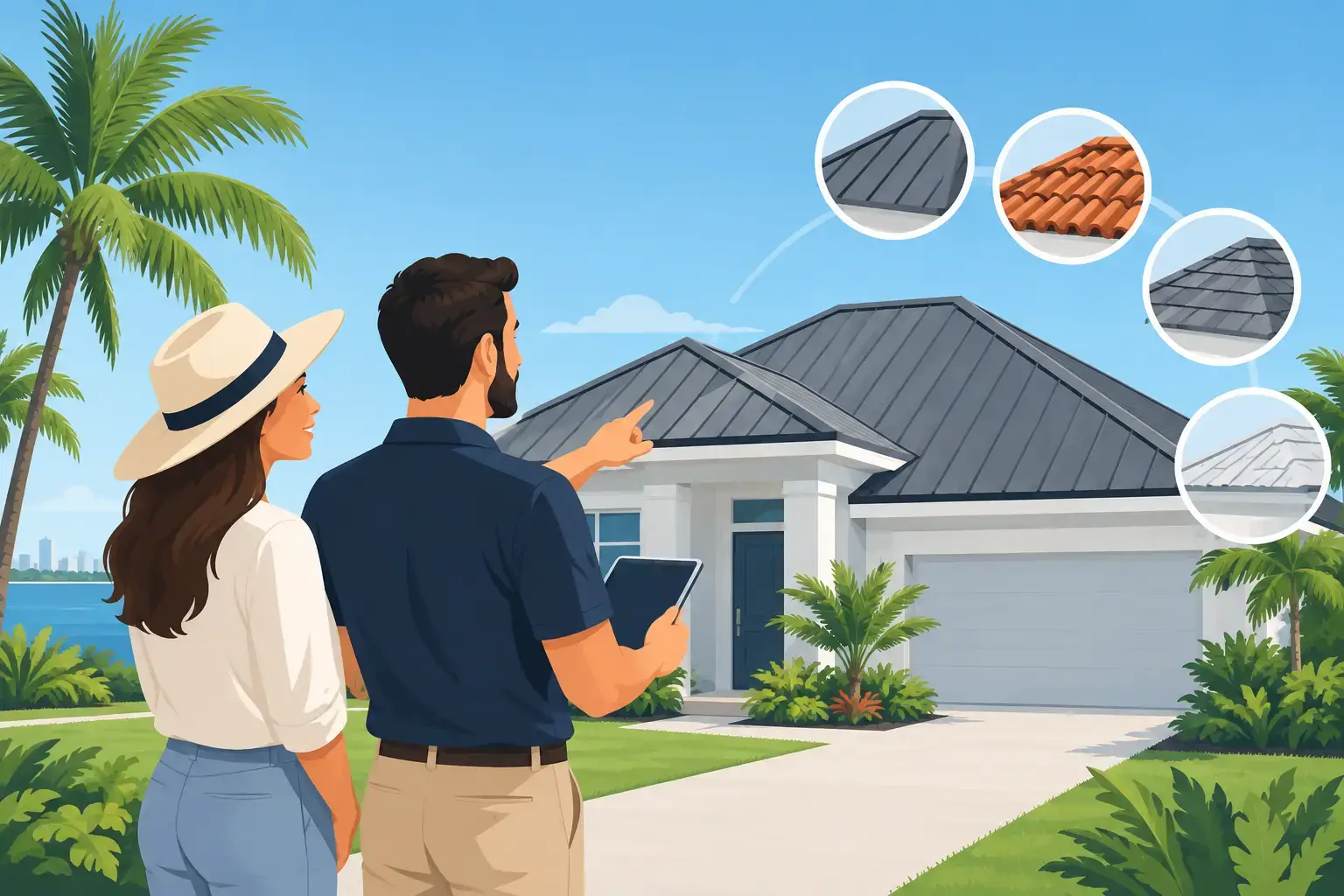
A roof in South Florida does far more than complete a home’s appearance. It is the first layer of defense against hurricane-force wind, intense UV exposure, wind-driven rain, humidity, and the moisture conditions that can quietly damage a structure over time. The most meaningful Florida roofing trends reflect that reality: homeowners are choosing systems based on long-term protection, energy performance, documentation, and how well every exterior component works together.
A roof replacement is also a major opportunity to look beyond the roofline. When a home has aging windows, vulnerable doors, poor attic ventilation, or unresolved drainage concerns, a new roof alone may not address the full exposure. The best decision starts with an honest assessment of the home, its location, its age, and its condition.
Florida Roofing Trends Are Moving Toward Resilience
The strongest trend is simple: South Florida homeowners are prioritizing resilience over the lowest initial price. A roof that looks acceptable from the street may still have weak points at flashing, valleys, penetrations, edges, or underlayment. Those details often determine how a roofing system performs during a severe storm.
Current roofing projects increasingly focus on complete systems rather than shingles, tile, or metal panels alone. That means proper deck preparation, code-conscious attachment methods, water-resistant underlayment, flashing integration, ventilation, and finish materials selected for the home’s exposure. The visible roof covering matters, but it is only one part of the protection package.
This shift is particularly relevant for homes near the coast or in areas with frequent storm exposure. Salt air, high humidity, and relentless sunlight can accelerate wear. A material that fits one neighborhood or roof design may not be the best fit for another, even when the homes appear similar.
Stronger connections and weather-resistant layers
Homeowners are paying closer attention to the less visible components of a replacement roof. Secondary water barriers, carefully installed flashing, sealed roof penetrations, and secure perimeter details can help reduce water intrusion when wind and rain test the system.
Florida building requirements may apply differently depending on the property, municipality, roof type, and scope of work. A professional contractor should explain what is required for the project and why it matters, rather than treating code requirements as confusing fine print. Proper permitting and inspection are not paperwork extras. They are part of establishing a roof that is built with accountability.
Cool Roof Performance Is a Bigger Part of the Conversation
South Florida roofs absorb heat for much of the year. That makes reflective surfaces, lighter colors, and efficient attic ventilation more attractive to homeowners seeking a more comfortable home and better energy performance.
A lighter-colored shingle, tile, metal roof, or coating can reflect more solar heat than a darker finish, although performance depends on the specific product, roof assembly, insulation, attic conditions, and home design. A cool-looking roof is not automatically a cool roof, and a light color alone cannot solve an under-ventilated attic.
Ventilation deserves the same practical attention as the roof covering. Heat and moisture trapped in the attic can contribute to uncomfortable indoor conditions and place unnecessary stress on roof materials. The right ventilation approach depends on the roof shape, existing intake and exhaust, insulation, and the home’s overall design. It should be evaluated as part of the full roofing plan, not added as an afterthought.
Material Choices Are Becoming More Purposeful
There is no single best roofing material for every Florida home. The right choice should balance performance goals, architectural style, maintenance expectations, budget, roof slope, and the structural capacity of the home.
Asphalt shingles remain a practical option for many homeowners because they offer broad design choices and a familiar replacement process. Quality matters, especially in a high-wind region. Homeowners should compare the complete system and installation method, not just the color or the manufacturer’s advertised warranty.
Metal roofing continues to attract interest for its clean appearance, longevity potential, and ability to reflect heat when finished in appropriate colors. It can be an excellent choice, but it requires skilled detailing around fasteners, flashings, transitions, and penetrations. Metal is not a shortcut to storm protection. Its performance depends heavily on the product and installation.
Tile remains a defining look across many South Florida communities. Concrete and clay tile can provide premium curb appeal and long service life, but they are heavier than many other materials. A contractor should evaluate the existing structure, attachment approach, condition of the underlayment, and replacement needs before recommending a tile system.
The trend is not toward one material winning every project. It is toward homeowners asking better questions before investing.
A Roof Is Being Viewed as Part of the Exterior Envelope
Another important shift is the move toward coordinated exterior upgrades. During a hurricane, the roof, windows, doors, gutters, and wall openings do not perform independently. A weak opening or unmanaged drainage issue can create problems that affect the rest of the home.
For homeowners with older non-impact windows or doors, a roof replacement can be the right time to plan a broader protection strategy. Hurricane-impact windows and doors are designed to help protect vulnerable openings from wind-driven debris while improving security and often reducing outside noise. They also create a more finished, intentional exterior when paired with a premium roofing upgrade.
That does not mean every project must include every exterior improvement at once. Budget and timing matter. Some homeowners replace an urgent roof first and phase in impact upgrades later. Others combine work to reduce disruption, coordinate colors and finishes, and make one long-term investment in the home’s protection. The right path depends on the property’s condition and priorities.
Documentation and Insurance Awareness Are Influencing Decisions
Rising ownership costs have made homeowners more careful about records, inspections, and product information. A roof replacement should leave the homeowner with more than a new appearance. Keep permits, inspection approvals, invoices, warranties, product specifications, and photos of completed work in a secure place.
These records can be useful when speaking with an insurer, preparing to sell the home, or tracking maintenance over time. They do not guarantee a specific insurance result, since underwriting rules and discounts vary by carrier and policy. Still, clear documentation helps homeowners demonstrate what was installed and when.
A reputable contractor should also be clear about warranty distinctions. Manufacturer coverage may address certain material defects, while workmanship coverage addresses installation-related issues under its stated terms. Both deserve review before the project begins. The longest warranty is not always the strongest value if the system, installation quality, or contractor support does not match it.
Design Still Matters, Especially for Curb Appeal
Protection is the priority, but homeowners do not have to choose between performance and appearance. Roofing colors are trending toward warm neutrals, coastal grays, soft charcoals, and tones that complement stucco, stone, painted trim, and impact window frames. The best color is one that works with the whole exterior, not simply the newest sample in the showroom.
Consider how the roof will look in bright sun, shade, and after rain. A small sample can appear very different across a large roof plane. Neighborhood standards, homeowners association requirements, and resale expectations may also influence the decision.
When to Start Planning a Roof Replacement
Waiting for an active leak is rarely the ideal strategy. Stains on ceilings, missing or damaged materials, recurring repairs, visible wear, granule loss on shingles, cracked tiles, deteriorated flashing, or a roof approaching the end of its expected service life are all reasons to schedule a professional evaluation.
Planning before storm season can provide more material options and time to compare recommendations. It also allows homeowners to address related exterior concerns without making rushed decisions after a storm. If damage has already occurred, prompt professional inspection is still essential, particularly when water intrusion is possible.
For South Florida homeowners, the most valuable trend is not a color, material, or product label. It is making exterior decisions with the entire home in mind. Florida Roof & Impact can help turn that assessment into a clear plan, so your next roof is built not just to look right, but to protect what matters most.